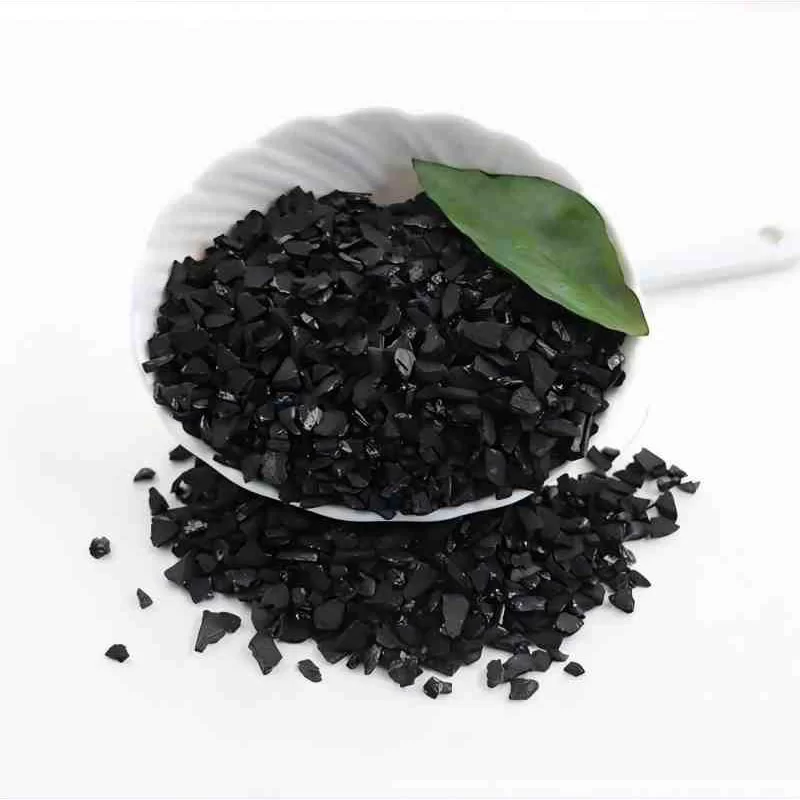
Product keywords : Sodium cyanide Activated carbon Silver Mercury

Calcium Hypochlorite Solutions for European and Russian Industries

Providing high-quality inorganic salts for diverse applications across Europe and Russia.

Current Market Landscape in Europe and Russia

An overview of the inorganic salt industry within the European and Russian economic context.

The inorganic salt manufacturing sector in Europe and Russia is currently shaped by increasing demand from water treatment facilities, the pulp and paper industry, and the chemical processing sector. Russia’s vast natural resources provide a competitive advantage in raw material sourcing, while European markets prioritize sustainability and high purity standards. Demand for activated carbon is growing due to stringent environmental regulations.

Geopolitical factors and logistical challenges significantly impact supply chains. The region’s climate, with harsh winters in Russia and varying regulations across European nations, adds complexity to distribution and storage. Both areas demonstrate a growing reliance on reliable chemical suppliers for consistent product quality, particularly for compounds like benzoic acid.

The economic situation in both regions presents opportunities and challenges. Russia's focus on import substitution drives domestic production, while European markets are increasingly receptive to innovative and environmentally friendly chemical solutions, creating demand for xanthan gum and other specialized compounds.
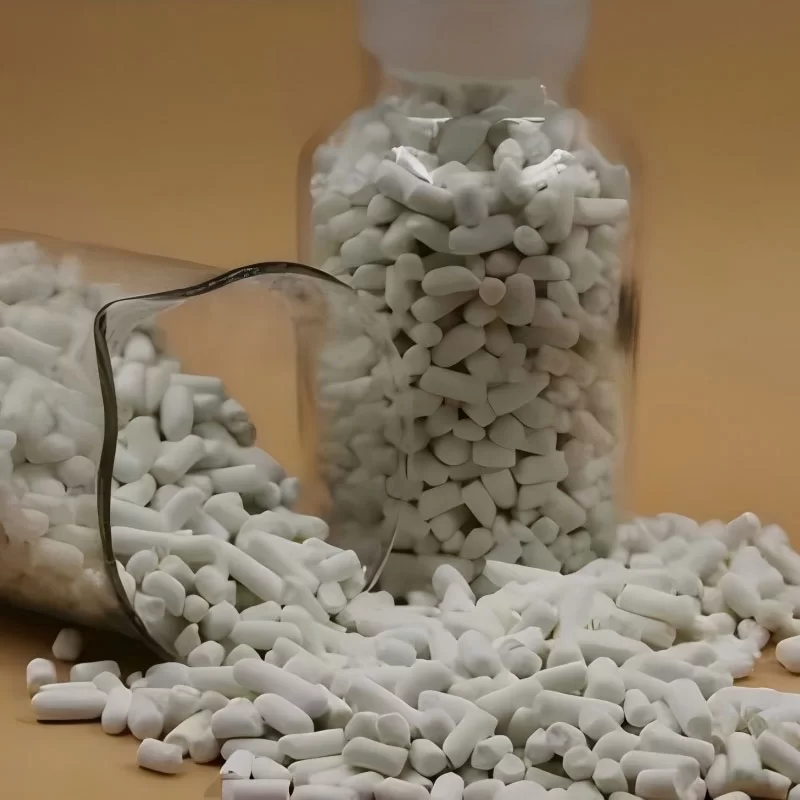
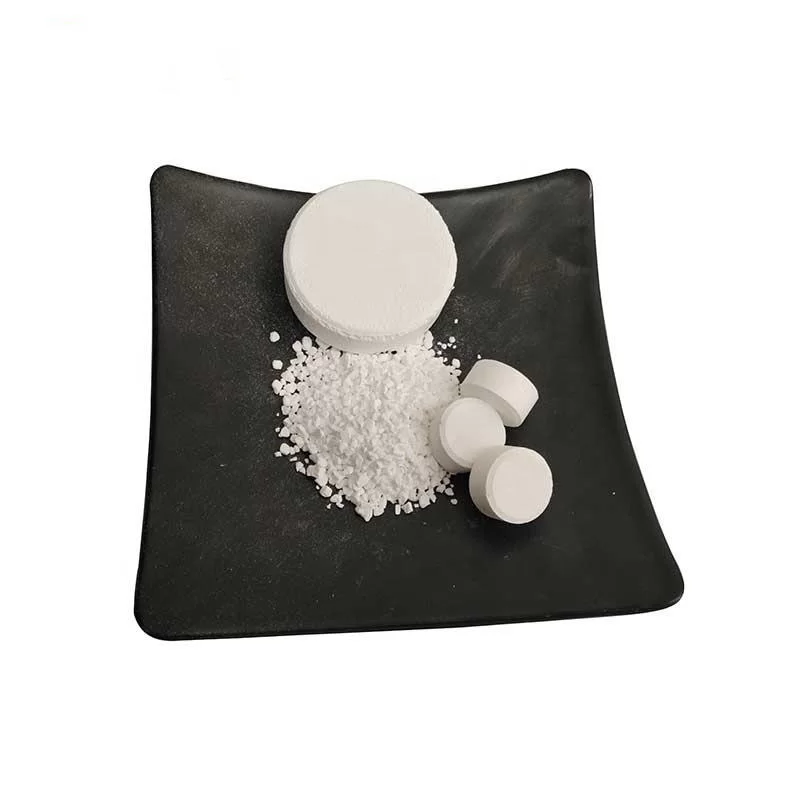
Historical Development and Evolution

Tracing the trajectory of inorganic salt manufacturing in Europe and Russia.

Market Development History

Historically, inorganic salt production in Europe began in the 19th century, focusing on basic salts for textile and glass manufacturing. Early methods were labor-intensive and relied on readily available mineral deposits. The Russian industry lagged initially, gaining momentum in the Soviet era with centralized planning and resource allocation.

The mid-20th century saw the introduction of more efficient production processes, including the Solvay process for soda ash and the development of electrolytic methods for chlorine and caustic soda. The 1980s and 90s brought a shift toward higher purity chemicals and specialized applications. Aluminum sulfate became increasingly important in water purification during this time.

The 21st century has been marked by a focus on sustainability, process optimization, and the development of innovative applications. Digitalization and automation are now integral to modern production facilities, with a growing emphasis on minimizing environmental impact.

Future Development Trends

Enhanced Purification Technologies

The future will see a continued drive for enhanced purification technologies to meet increasingly stringent quality standards. Nanomaterials and advanced filtration techniques will play a key role.

Sustainable Production Processes

Focus on circular economy principles and reducing carbon footprint through the adoption of renewable energy sources and waste valorization. This includes the development of 'green' routes to calcium hypochlorite.

Smart Manufacturing and IoT Integration

Implementation of smart manufacturing principles, including IoT sensors and data analytics, to optimize production processes, improve efficiency, and reduce downtime.

Industry Trends and Future Outlook

Forecasting the evolution of inorganic salt manufacturing in Europe and Russia.

Growing Demand for Water Treatment Chemicals
Increasing urbanization and stricter environmental regulations will drive demand for chemicals like calcium hypochlorite and aluminum sulfate in water purification applications.
Rise of Bio-Based Alternatives
Growing interest in sustainable chemicals will boost demand for bio-based alternatives like xanthan gum, reducing reliance on traditional petrochemicals.
Supply Chain Resilience
Companies will prioritize diversifying their supply chains and building resilience to mitigate disruptions caused by geopolitical events and logistical challenges.
Digitalization and Automation
Increased adoption of digital technologies, including AI and machine learning, to optimize processes, improve quality control, and enhance decision-making.

Industry Outlook

Over the next 3-5 years, the European and Russian inorganic salt market is projected to grow at a steady rate, driven by increasing demand from end-use industries and a focus on sustainability. Companies that invest in innovation, process optimization, and supply chain resilience will be best positioned to succeed.

Geopolitical considerations will remain a key factor, influencing supply chain dynamics and trade patterns. The adoption of circular economy principles and the development of bio-based alternatives will be crucial for long-term growth and competitiveness.

Localized Application Scenarios

Real-world applications of inorganic salts in the European and Russian contexts.

1. Water Treatment in Municipalities

European cities and Russian municipalities are investing heavily in upgrading their water treatment infrastructure. Calcium hypochlorite is used extensively for disinfection, ensuring safe drinking water and wastewater treatment.

2. Pulp and Paper Industry in Scandinavia

The Scandinavian pulp and paper industry utilizes significant quantities of aluminum sulfate for sizing and brightening paper, improving its quality and printability.

3. Oil and Gas Applications in Siberia

The oil and gas sector in Siberia requires specialized chemicals for drilling and production. Benzoic acid serves as a corrosion inhibitor, extending the lifespan of pipelines and equipment.

4. Enhanced Oil Recovery in Volga Region

Xanthan gum is used in enhanced oil recovery (EOR) operations in the Volga region of Russia, increasing oil production by improving fluid viscosity and sweep efficiency.

5. Food Preservation in Eastern Europe

Benzoic acid is utilized as a preservative in the food and beverage industry across Eastern Europe, extending the shelf life of various products and minimizing spoilage.

Brand Story

Shandong Jiuzhou Chemical Co., Ltd.'s Global Development Journey

Established Foundation

Founded in 2005, Shandong Jiuzhou Chemical Co., Ltd. began as a regional supplier of basic inorganic salts, serving local industries.

Quality Enhancement

In 2010, we invested heavily in advanced production technology and quality control systems, achieving ISO 9001 certification.

Expansion into Europe

2015 marked our expansion into the European market, establishing partnerships with key distributors and building a reputation for reliability.

Russian Market Entry

In 2018, we successfully entered the Russian market, providing tailored solutions to the oil and gas and water treatment sectors.

Commitment to Sustainability

Today, Shandong Jiuzhou Chemical is committed to sustainable manufacturing practices, minimizing environmental impact and providing high-quality, reliable chemical solutions.

Local FAQs

Addressing common questions from our European and Russian clients.

What is the typical lead time for delivery of calcium hypochlorite to Russia?

Lead times to Russia typically range from 3-6 weeks, depending on the specific location and current logistical conditions. We work with established freight forwarders to ensure timely and efficient delivery.

Do you offer aluminum sulfate compliant with European drinking water standards?

Yes, we provide aluminum sulfate grades that fully comply with all relevant European drinking water standards, including EN 15203. Certificates of analysis are available upon request.

What packaging options are available for benzoic acid shipments to Europe?

We offer various packaging options for benzoic acid, including 25kg bags, 500kg jumbo bags, and customized packaging solutions to meet your specific requirements. All packaging adheres to international safety standards.

Can you provide technical data sheets (TDS) and safety data sheets (SDS) for your xanthan gum products?

Yes, we provide comprehensive TDS and SDS documents for all our xanthan gum products. These are available for download on our website or can be provided directly upon request.

What quality control measures do you have in place to ensure the purity of activated carbon?

We employ rigorous quality control measures throughout the production process, including raw material testing, in-process monitoring, and final product analysis using advanced analytical techniques such as gas chromatography and mass spectrometry.

Do you offer customized formulations of inorganic salts to meet specific application needs?

Yes, we have a dedicated R&D team capable of developing customized formulations of inorganic salts to meet your specific application requirements. We work closely with our clients to understand their needs and deliver tailored solutions.

Get in Touch Today

We are your reliable partner for high-quality inorganic salts in Europe and Russia.

Contact Us Now

If you are interested in our products, you can choose to leave your information here, and we will be in touch with you shortly.