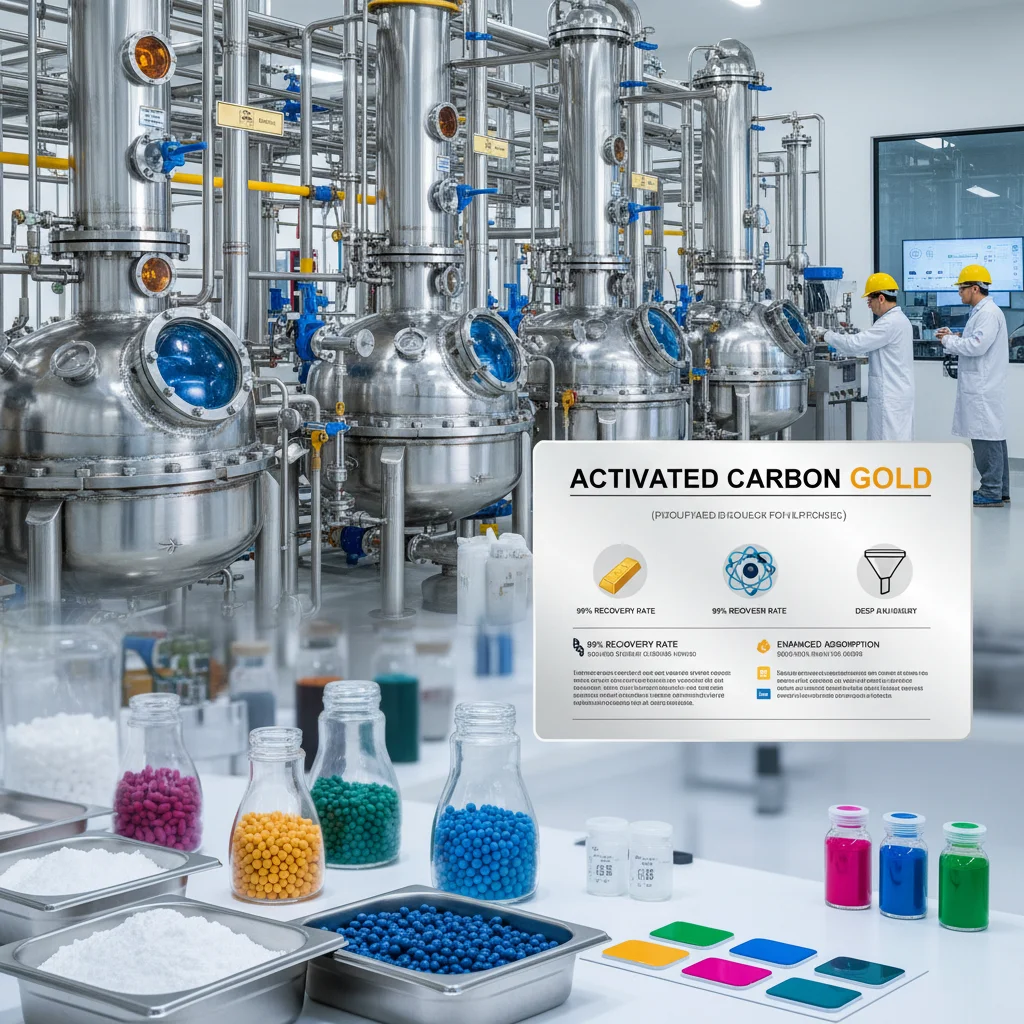
Chemical activated carbon stands as a cornerstone material in numerous industrial processes and environmental applications, playing a critical role in purification, separation, and catalysis. Its unique porous structure and high surface area make it exceptionally effective in adsorbing impurities and pollutants from liquids and gases. Understanding its properties and applications is paramount for industries seeking efficient and sustainable solutions. The global demand for chemical activated carbon continues to rise, driven by increasing environmental regulations and a growing awareness of the importance of clean water and air.
The versatility of chemical activated carbon extends across diverse sectors, from water treatment and air purification to food and beverage processing and pharmaceutical manufacturing. Its ability to selectively remove contaminants while preserving desired components makes it invaluable. As industries strive to minimize their environmental footprint and meet increasingly stringent quality standards, the demand for high-performance chemical activated carbon will undoubtedly continue to grow, driving innovation in production techniques and application development.
The economic impact of chemical activated carbon is substantial, supporting not only the manufacturing sector but also contributing to improved public health and environmental quality. Advancements in production methods are focused on enhancing carbon’s adsorption capacity, reducing manufacturing costs, and creating more environmentally friendly production processes.
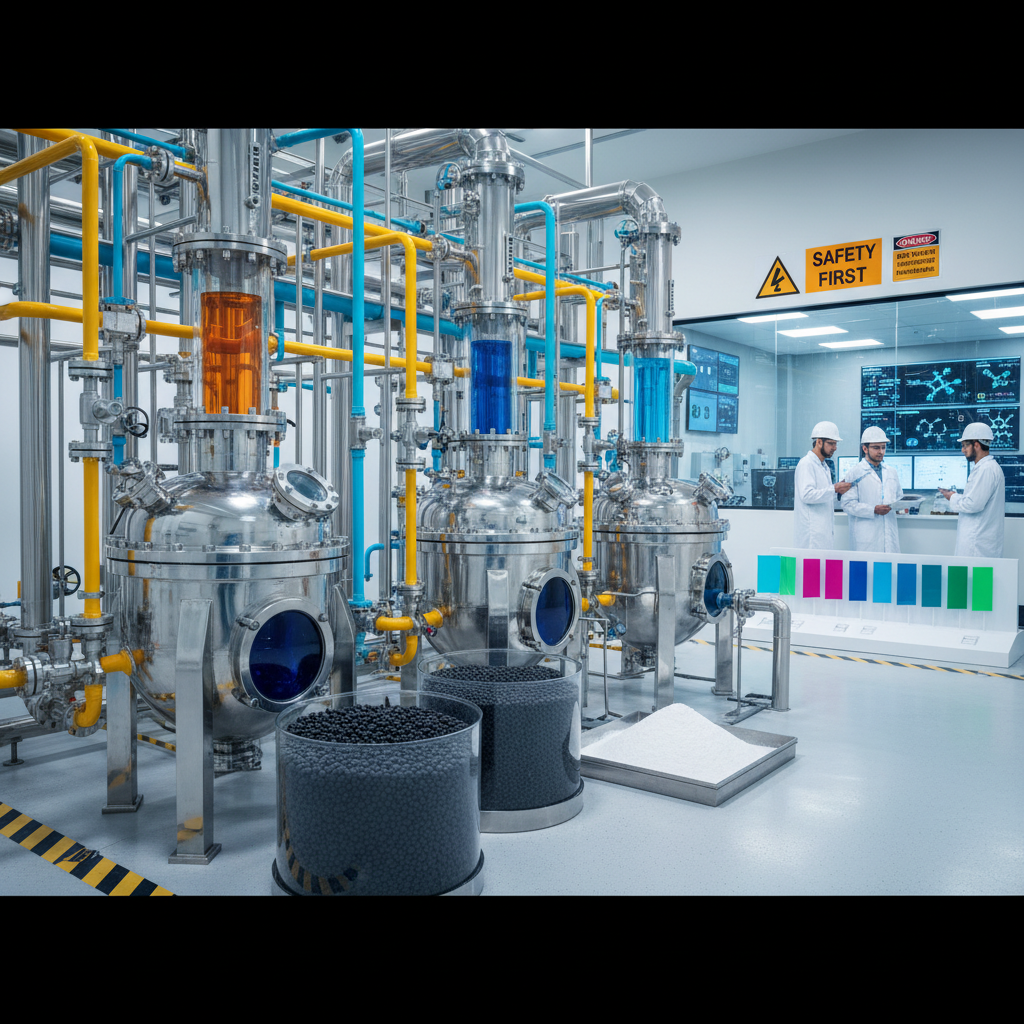
The Importance of Chemical Activated Carbon
Chemical activated carbon is a critical component in maintaining environmental standards globally, playing a vital role in mitigating pollution and safeguarding public health. Its widespread use in water treatment plants, air purification systems, and industrial processes underscores its importance in a world facing increasing environmental challenges. The demand for this versatile material is directly linked to stricter regulations on emissions and effluent discharge, making it an essential resource for industries committed to sustainability.
Beyond its environmental benefits, chemical activated carbon also supports economic growth by enabling efficient resource recovery and waste management. The ability to selectively adsorb valuable compounds from industrial streams contributes to resource circularity and reduces reliance on virgin materials. As global populations grow and resource scarcity intensifies, the role of chemical activated carbon in promoting sustainable development will become increasingly prominent.
Defining Chemical Activated Carbon
Chemical activated carbon is a processed carbon material derived from carbonaceous sources such as coal, wood, coconut shells, or petroleum pitch. The key to its exceptional properties lies in its extensive internal pore structure, which dramatically increases its surface area. This immense surface area—often exceeding 500 m²/g—allows for efficient adsorption of a wide range of substances. Activation, typically achieved through chemical processes involving oxidizing agents like phosphoric acid or potassium hydroxide, creates and expands these pores.
Unlike regular carbon, chemical activated carbon isn't merely a solid; it's a highly reactive medium for capturing impurities. Its functionality extends beyond simple filtration; it’s used in catalytic applications, acting as a support material for catalysts, enhancing reaction rates and selectivity. The manufacturing process carefully controls pore size distribution to tailor the carbon for specific applications.
This material is essential in various processes impacting modern life. From ensuring the purity of drinking water and the safety of food products to enabling advanced industrial processes, chemical activated carbon safeguards both human health and the efficiency of critical industries. The specific type of activation agent used greatly influences the characteristics of the final product, thus dictating its suitability for different applications.
Key Properties of Chemical Activated Carbon
One of the most crucial properties of chemical activated carbon is its incredibly high surface area, directly impacting its adsorption capacity. The surface area dictates how much material can adhere to the carbon, influencing its efficiency in removing contaminants. Different activation methods yield variations in pore size distribution, affecting which types of molecules can be effectively adsorbed. The higher the surface area and optimized pore structure, the greater the material's performance.
Another critical attribute is pore size distribution, categorized into micropores (less than 2 nm), mesopores (2-50 nm), and macropores (greater than 50 nm). Micropores are ideal for adsorbing small molecules, while mesopores facilitate the adsorption of larger molecules and act as transport pathways. Macropores provide access to the internal pore structure. Precise control over this distribution during manufacturing is vital for tailoring the carbon to specific applications.
The mechanical strength and hardness of chemical activated carbon also play a significant role. These properties determine the carbon’s resistance to attrition during handling, transport, and use in demanding industrial processes. Stronger carbons minimize dust generation and ensure consistent performance over extended periods. Density and particle size are similarly crucial for optimizing flow characteristics and adsorption kinetics within various applications.
Applications Across Industries
Chemical activated carbon’s versatility makes it integral to the water treatment industry, where it effectively removes chlorine, organic compounds, taste, and odor from drinking water. It’s also used in wastewater treatment to eliminate pollutants and ensure compliance with environmental regulations. Its ability to adsorb a wide range of contaminants makes it a cornerstone of safe and clean water supplies globally.
The food and beverage industry relies on chemical activated carbon for decolorizing sugar solutions, purifying oils and fats, and removing undesirable flavors and odors from various products. In the pharmaceutical sector, it’s used for purifying drug intermediates, removing impurities from final products, and controlling drug release rates. These applications demand a high degree of purity and quality control, making the selection of appropriate activated carbon crucial.
Chemical Activated Carbon Applications by Sector
Advantages and Long-Term Value
The primary advantage of chemical activated carbon is its exceptional adsorption capacity, leading to highly effective purification and separation processes. This translates into reduced operating costs through lower chemical consumption and minimized waste generation. Its versatility allows it to address a wide spectrum of contaminants and purification needs, offering a single solution for multiple applications.
From a sustainability standpoint, chemical activated carbon contributes to environmental protection by removing harmful pollutants and enabling resource recovery. Its long-term value extends beyond immediate operational benefits, fostering a circular economy by reducing reliance on virgin materials and promoting responsible waste management. This is particularly valuable as environmental regulations become increasingly stringent and the demand for sustainable practices grows.
Future Trends in Chemical Activated Carbon
Ongoing research focuses on developing novel activation methods and carbon precursors to enhance the performance and sustainability of chemical activated carbon. These advancements include exploring bio-based precursors, such as agricultural waste, to reduce reliance on fossil fuels and create a more circular economy. Nanotechnology is also playing a role, with the development of nano-sized activated carbon particles for improved adsorption kinetics and selectivity.
The integration of chemical activated carbon with emerging technologies like membrane filtration and advanced oxidation processes holds significant promise for creating highly efficient and cost-effective treatment systems. The development of "smart" activated carbon materials, capable of responding to changes in environmental conditions, is another exciting area of innovation. These advancements will further expand the applications of chemical activated carbon and solidify its position as a critical material in a sustainable future.
Challenges and Potential Solutions
One of the main challenges associated with chemical activated carbon is the cost of production and regeneration. The energy-intensive activation process and the expense of chemical reactants can contribute to higher overall costs. However, ongoing research is aimed at optimizing these processes, reducing energy consumption, and utilizing more sustainable activation agents. The development of efficient regeneration technologies, such as thermal regeneration and microwave-assisted regeneration, can significantly lower operating costs.
Another challenge is the potential for fouling and deactivation of the carbon material over time. Contaminants can accumulate within the pores, reducing its adsorption capacity. Pre-treatment of feed streams and the use of carbon materials with tailored pore structures can mitigate this issue. Innovative surface modifications can also enhance the carbon’s resistance to fouling and prolong its lifespan.
Finally, the disposal of spent activated carbon presents environmental concerns. Developing effective methods for recovering valuable materials from spent carbon or converting it into other useful products, such as soil amendments, can minimize waste and promote resource circularity. The implementation of closed-loop systems, where carbon is continuously regenerated and reused, is a key step towards a more sustainable approach.
Summary of Key Challenges and Solutions for Chemical Activated Carbon
| Challenge |
Impact |
Potential Solution |
Implementation Cost (1-10) |
| High Production Cost |
Limits widespread adoption |
Optimize activation processes, utilize alternative precursors |
7 |
| Carbon Fouling |
Reduced adsorption capacity |
Pre-treatment of feed streams, tailored pore structure |
5 |
| Spent Carbon Disposal |
Environmental impact |
Resource recovery, conversion to soil amendments |
6 |
| Limited Selectivity |
Non-specific adsorption |
Surface modification with selective functional groups |
8 |
| Energy Intensive Regeneration |
High operational costs |
Microwave-assisted regeneration, thermal optimization |
6 |
| Raw Material Sourcing |
Dependence on specific resources |
Exploration of bio-based and waste materials |
4 |
FAQS
The cost of chemical activated carbon is influenced by several factors, including the type of raw material used (coal, wood, coconut shell, etc.), the activation process employed (chemical or physical), the grade of carbon required, and transportation costs. Demand and supply dynamics also play a significant role. Higher purity carbons and specialized pore structures tend to be more expensive due to the more complex manufacturing processes involved. Furthermore, environmental regulations related to waste disposal and emissions can also affect the overall cost.
Chemical activated carbon can be regenerated through thermal regeneration, steam regeneration, and chemical regeneration. Thermal regeneration, involving heating the carbon to high temperatures, is the most common method, but can be energy intensive. Steam regeneration is less energy intensive but may not remove all adsorbed contaminants. Chemical regeneration utilizes solvents to remove adsorbed substances, which can be effective but introduces additional costs and environmental concerns. Regeneration costs vary based on the method used, the type of contaminants adsorbed, and the facility’s infrastructure.
Handling chemical activated carbon requires appropriate safety precautions to minimize dust exposure and potential fire hazards. Dust masks and eye protection are essential, as the fine carbon particles can irritate the respiratory system and eyes. Activated carbon can spontaneously combust if exposed to ignition sources, especially when dry. Therefore, it should be stored in a cool, dry, and well-ventilated area away from heat, sparks, and open flames. Follow all relevant safety data sheet (SDS) guidelines.
Pore size distribution is a critical factor determining the effectiveness of chemical activated carbon. Micropores (less than 2 nm) are ideal for adsorbing small molecules, while mesopores (2-50 nm) are more suitable for larger molecules. Macropores (greater than 50 nm) facilitate access to the inner pore structure and improve adsorption kinetics. Tailoring the pore size distribution to match the size of the target contaminants optimizes adsorption capacity and selectivity. Different applications require different pore size distributions for optimal performance.
Chemical activated carbon offers significant environmental benefits by removing pollutants from water, air, and industrial processes. It contributes to cleaner water supplies, reduced air emissions, and improved waste management. Its use can help industries comply with environmental regulations and minimize their environmental footprint. Furthermore, the development of activated carbon from renewable sources, like agricultural waste, reduces reliance on fossil fuels and promotes a circular economy.
Compared to other filtration methods, chemical activated carbon excels at removing a broader range of contaminants, including organic compounds, chlorine, and odor-causing substances. While methods like reverse osmosis primarily focus on removing dissolved solids, activated carbon adsorbs a diverse array of molecules. It's often used in conjunction with other filtration technologies to provide a comprehensive treatment solution. Activated carbon also offers a cost-effective solution for many applications, particularly when regeneration is feasible.
Conclusion
Chemical activated carbon remains a vital material across diverse industries, driving advancements in purification, separation, and environmental protection. Its unique properties—high surface area, tailored pore structure, and versatility—make it indispensable for addressing critical challenges related to water quality, air pollution, and resource sustainability. Continued innovation in production methods, regeneration technologies, and material design will further enhance its performance and expand its applications.
Looking ahead, the demand for chemical activated carbon is poised to grow alongside increasing environmental awareness and stricter regulations. By embracing sustainable production practices, developing cost-effective regeneration solutions, and exploring novel applications, we can unlock the full potential of this remarkable material to create a cleaner, healthier, and more sustainable future. Visit our website at chemical activated carbon to learn more about our products and solutions.